Don't miss our holiday offer - 20% OFF!

What Online Poker Ghost Mode Explained Means for Australian Players

When a table goes quiet and your opponents seem to vanish between hands, most players chalk it up to a slow lobby. In reality, the session may be running ghost mode, a display layer that keeps certain seats visible while hiding active decision data. I have spent years judging supplier builds for regulated markets, and the same discipline I apply to Aruze Gaming Australia product rollouts matters here: if a feature obscures information without telling the player, it needs clear disclosure and predictable behaviour. For an Australian player logging on after work, understanding what is actually happening at the table matters more than any hype around the software. If you are already set up with a verified account, you can reach the cashier through the jackpot jill vip login password before your next session begins.
How Ghost Mode Shows Up at the Table
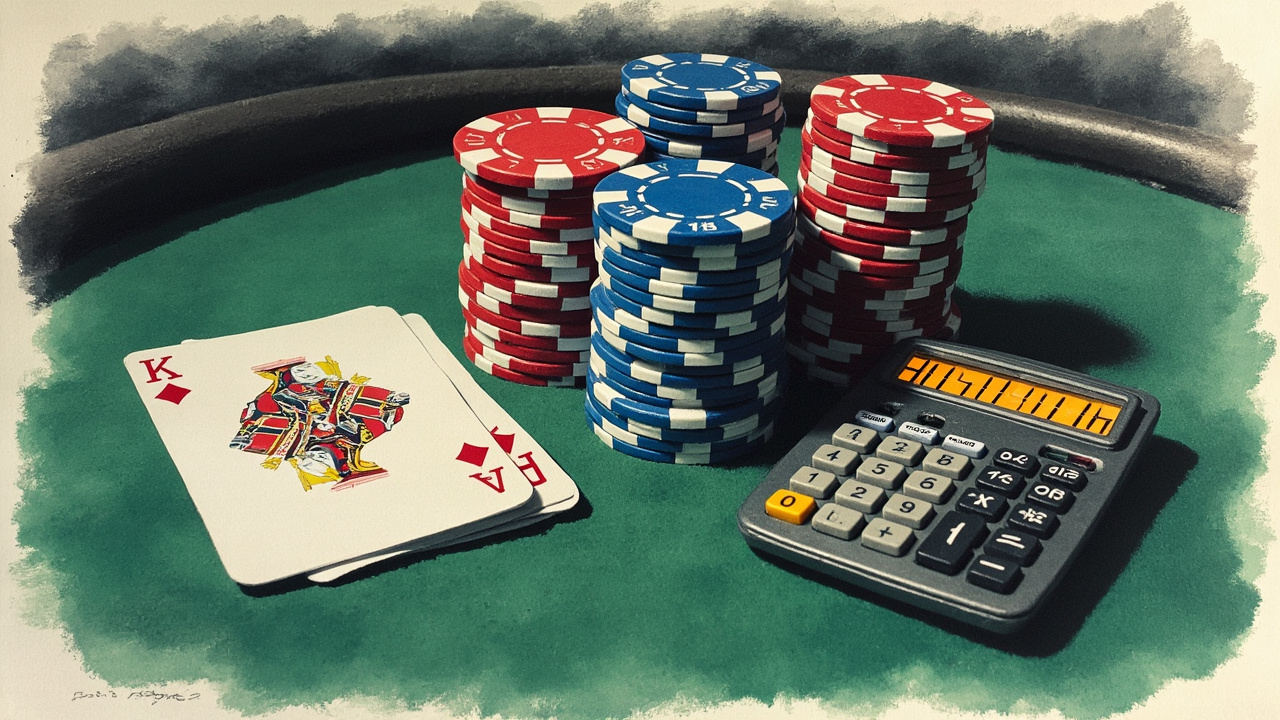
Ghost mode is not a separate game type; it is a presentation state that can appear on cash games and tournament satellites when the platform wants to manage table visibility or seat density. From a product standpoint, the key question is whether the player can tell the difference between a genuine empty seat and a ghosted one. In a well-built interface, ghosted seats carry a subtle marker, the betting controls behave consistently, and the hand history still records the action once the hand closes. In a weaker build, the same seat flickers between active and inactive, which is exactly the kind of inconsistency I flag during supplier reviews.
The encounter usually starts quietly. You join a six-max table, two seats appear occupied, and one of them never posts a preflop action even though the timer is running. The seat may belong to a disconnected player whose hand is still being auto-moved, or it may be a placeholder kept on screen so the table does not break below its minimum. Either way, the practical effect on you is the same: you are making decisions against fewer visible opponents, and the pace of the hand can feel uneven. That unevenness is why I treat ghost mode as a player-facing disclosure issue rather than a back-end curiosity.
Australian players tend to notice it most in the evening, when traffic peaks and tables are rebalanced across regions. A seat that looked active at 8 pm can turn into a ghosted placeholder by 9 pm without any obvious announcement. The right response is not to assume the software is hiding cards from you; it is to check whether the platform marks ghosted seats, whether the hand history is still complete, and whether your own bet sizing is being calculated against the real number of active opponents. If any of those three pieces is unclear, the feature is doing more masking than managing.
What to Look for in a Transparent Build
A transparent ghost mode implementation gives you three things: a visible seat state, a consistent rule for how ghosted hands are handled, and a hand history that matches what you saw at the table. The seat state should be obvious without being flashy. A faint border, a small status tag, or a different avatar state is enough, provided it is consistent across every table format. If one table uses a marker and another relies on a tooltip that only appears on hover, the experience is already uneven.
The second piece is how the platform handles the ghosted hand itself. Some systems run a simple auto-fold for disconnected players, others hold the hand until a timer expires, and a few use a random or stack-based outcome when the player never returns. None of those approaches is automatically wrong, but each one changes your expected value at the table, so the rule should be readable before you commit chips. I have seen supplier demos where the auto-move policy was buried in a terms page and never surfaced in the lobby. That is the kind of gap that turns a manageable feature into a complaint generator.
The third piece is the hand history. After the hand closes, you should be able to see who was actually active, what the ghosted seat did, and whether any auto-action was applied. If the history shows a full ring while the table looked short during play, the record is misleading. Alice Nelson, Head of Analytics, Waratah Digital Group, puts it plainly: “If the hand record does not match the seat state the player saw, the data is doing more work than the interface ever did.” That line stays with me because it captures the core test: the record, the display, and the rule should all point the same way.
Ava Thompson, Commercial Director, Eucalypt Digital Advisory, adds a commercial angle that matters for regulated markets: “Players tolerate a display trick far less than they tolerate an opaque hand outcome, so the disclosure has to come before the feature, not after it.” In other words, ghost mode is manageable when the platform tells you what it is doing; it becomes a trust problem when the same feature is left to guess work.
A Practical Walkthrough for a New Player
If you have never watched a table shift under you, ghost mode can feel like the room is playing tricks. It is not. It is usually a seat management layer doing its job, and you can learn to read it in a few minutes. Here is how I would walk a mate through it on a quiet arvo, assuming they are starting from a fresh account and a modest bankroll.
First, join a low-stakes cash table and watch the seat markers for a minute before you put money in. Look for any seat that never acts, never folds, and never changes its status while the timer runs. That seat is your first clue. If the platform marks it, you have your answer; if it does not, make a note and compare it after the hand closes.
Second, check the table rules or lobby text for how disconnected or inactive seats are handled. You are not looking for a legal document here; you are looking for a plain sentence that says whether a ghosted seat auto-folds, waits on a timer, or is removed from the hand entirely. If you cannot find that sentence before you sit down, you are guessing at your own risk.
Third, play one or two hands slowly and compare what you see with what the hand history shows afterward. If the table looked short during play but the history shows a full ring, the platform is recording differently from what you saw. That mismatch is the exact thing to flag if you ever need to raise it with support.
Fourth, keep your bet sizing honest to the real table. If you are genuinely playing against fewer active opponents, adjust your expectations rather than your aggression. Ghost mode does not hand you a hidden edge; it just changes the number of visible decision-makers, which is a pacing issue, not a strategy secret.
Shifting your strategy to accommodate a smaller field often leads to unnecessary volatility that erodes your edge. For a more disciplined approach to managing your bankroll and tracking your session performance, you can review the guidelines at jackpot jill vip login password. Staying consistent with your original parameters will ultimately preserve your long-term profitability.
Finally, if a seat keeps flickering or a hand outcome looks inconsistent with the seat state, take a screenshot and note the table ID before you move on. Support teams respond faster when you bring a concrete record instead of a vague feeling that something was off. No worries if the first session is just you learning the room; the point is to leave with a clear read on how the table behaved.
How This Fits Into Supplier Trust and Regulated Execution
Ghost mode is a small feature, but it sits inside the same trust chain I use when judging any supplier for a regulated market. The chain starts with disclosure, moves through consistency, and ends with a record that can be checked without special access. In regulated execution, the player should never have to reverse-engineer the table to understand what they saw. That is why I compare ghost mode handling to the same standards we apply to Aruze Gaming Australia product launches: the feature must behave the same way across tables, the rule must be readable before play, and the outcome must be traceable after the hand.
Jack Foster, Commercial Director, Eucalypt Digital Advisory, frames the commercial risk neatly: “A display feature that only becomes visible after a dispute is not a feature, it is a complaint waiting for a timestamp.” That is the judgement call I make on any supplier build. If ghost mode is implemented as a clean seat-management layer with clear markers and a complete hand history, it is a usability detail. If it is implemented as a vague visual state with no readable rule, it becomes a trust cost that follows the platform into every market conversation.
For Australian players, the practical takeaway is to treat ghost mode as a disclosure test rather than a mystery. A platform that marks ghosted seats, states its inactive-hand rule, and keeps a consistent hand history is doing the boring, correct work. A platform that leaves you to infer the state from timing alone is asking you to trust the interface more than the record. In a regulated market, I would rather skycrown-bonuscode.com see the boring work done well than a flashy lobby with an opaque table.
A good ghost mode implementation is quiet, consistent, and readable before you commit chips. It should mark inactive seats, state how disconnected hands are handled, and leave a hand history that matches the table you saw. If those three pieces line up, the feature is doing its job without asking you to guess. If they do not, the issue is not the ghost itself; it is the missing disclosure around it. For any Australian player weighing where to play, that distinction is worth more than any lobby polish.